
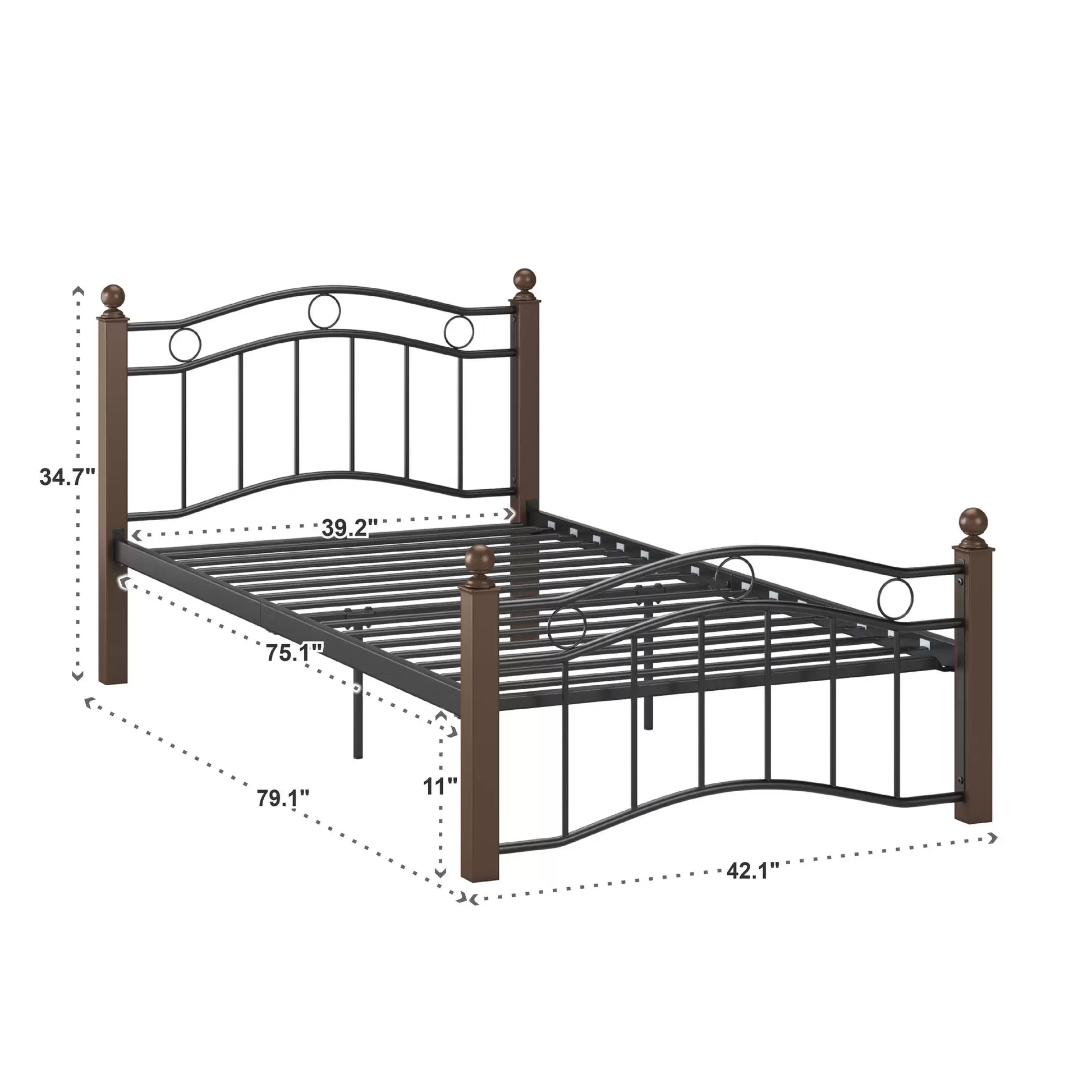
Why Metal Bunk Beds Are a Smarter Choice Than You Think
A while back, I helped a friend pick out furniture for a new dorm, and I noticed something: metal bunk beds are everywhere these days. Schools, hostels, even families with kids are switching from wood to metal. I used to think a bed had to be solid wood to feel sturdy and “real,” but after owning a couple of metal frames myself—and yes, making some buying mistakes along the way—I’m convinced they’re often the better deal.
Here’s what I’ve learned about metal beds, from durability to cost, and how to pick one you won’t regret.
They Just Don’t Quit
If you’ve ever lived in a humid place, you know wood can be a headache. I have a friend in Guangzhou whose wooden bed frame started warping after two rainy seasons—mold on the slats, creaky joints, the works. She swapped it for a metal bed, and three years later, it still looks and feels solid.
Good metal beds are made from cold-rolled steel with a powder‑coated finish. That coating isn’t just for looks—it’s baked on, so it resists rust and scratches way better than paint. And because metal doesn’t absorb moisture, you don’t have to worry about swelling or bugs. No termites, no carpenter ants. For anyone running a hostel or dorm, that alone saves a ton of hassle.
“Cheap” Isn’t the Same as “Good Value”
Let’s be honest: when people hear “metal bed,” some still think “cheap.” But value isn’t just about the price tag—it’s about how long the bed lasts and how much upkeep it needs.
A decent metal frame can easily go 15+ years. A wooden bed that lasts that long usually costs a lot more upfront, and it needs care—polishing, sealing, keeping it away from moisture. Metal? Just wipe it down with a damp cloth. That’s it.
So when you divide the cost by years of use—and factor in zero maintenance—metal often comes out way ahead. It’s not about being cheap; it’s about being smart with your money.
Perfect for Small Spaces
Space is expensive, and bunk beds are basically a cheat code for small rooms. Put two beds on top of each other and you instantly free up half the floor space. That extra room can be a play area, a desk, or just somewhere to breathe.
Many metal bunk beds today also sit high enough off the ground to slide storage bins underneath. Some even come with built‑in drawers or a desk—great for kids’ rooms, studio apartments, or any place where every square foot counts.
No, They Don’t Squeak (Anymore)
I know, I know—old metal beds had a reputation for squeaking and feeling cold. But the ones made now are totally different.
Quality frames have little noise‑dampening pads where the metal pieces connect. Ours has been silent for years. The guardrails are higher and safer, the ladders have non‑slip steps, and the corners are rounded so nobody gets hurt.
And looks? You can find everything from minimalist black to vintage scrollwork. A simple white or matte black metal bed blends into almost any room, and some people even mix them with wood furniture for that industrial‑chic vibe.
How to Pick a Good One (Without Getting Ripped Off)
If you’re thinking about getting a metal bed, here are a few things to check:
-
Steel thickness: Look for main posts at least 1.2 mm thick. Thicker steel means less wobble.
-
Joining method: Frames with a clamp‑fit or interlocking design tend to stay tight longer than ones that rely only on screws.
-
Finish: Go for powder‑coated, not just painted. It’s way more durable.
-
Weight rating: Good brands will list the max load. For adults, aim for at least 200 kg.
Bottom Line
Metal bunk beds aren’t just a “budget option” anymore. They’re tough, space‑saving, easy to clean, and often a better investment than wood—especially if you’re furnishing a dorm, a rental, or a kid’s room that’s going to see some rough use.
If you’re in the market, it’s worth giving metal a serious look. You might be surprised how far they’ve come.
